


Wind
25.5MW
2.0%
Read More
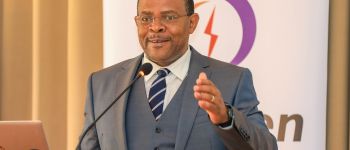
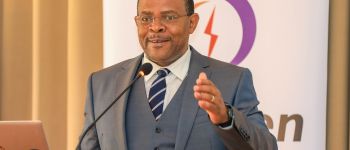
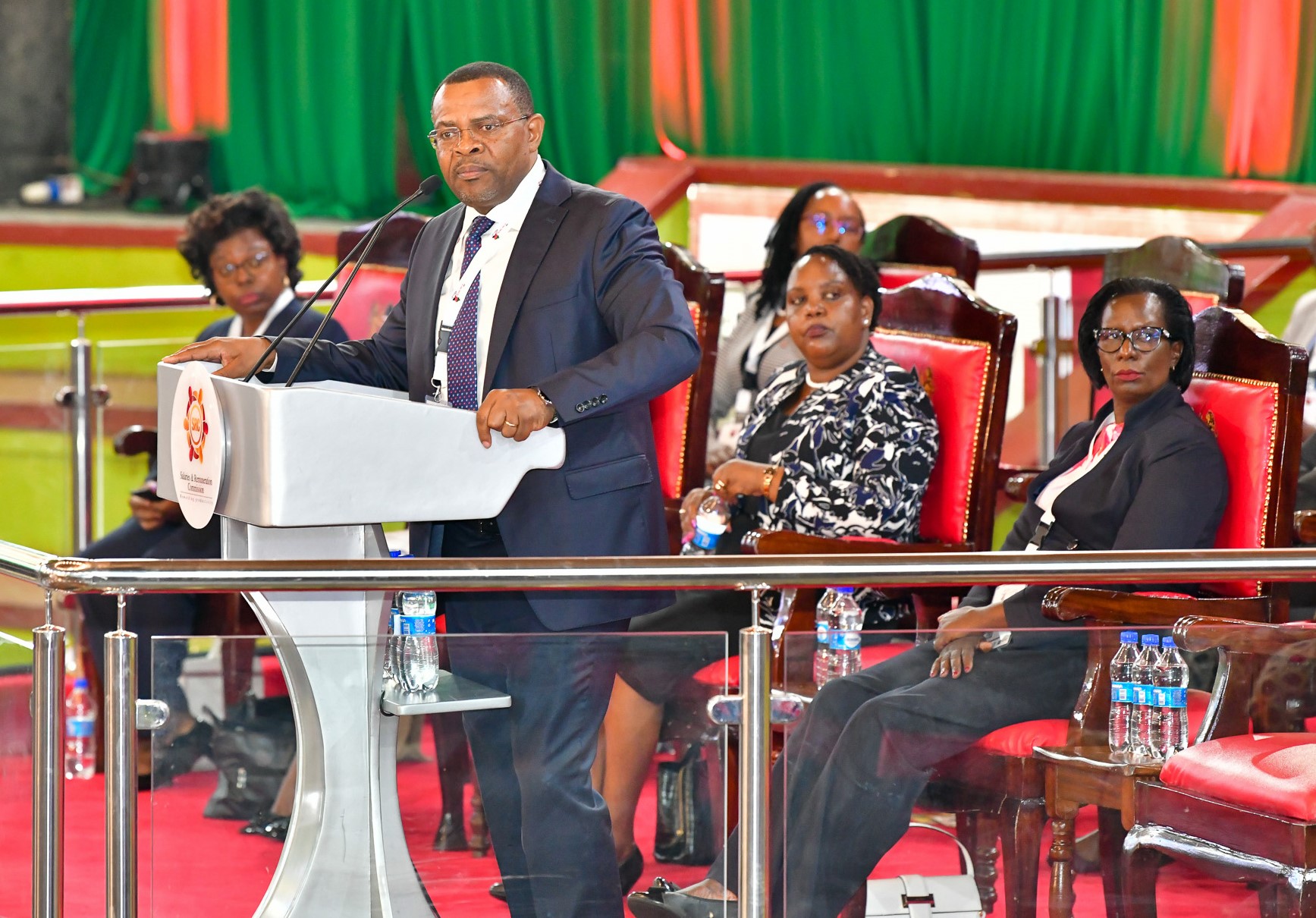 KenGen MD and CEO, Eng. Peter Njenga, during the third National Wage Bill Conference 2024, at the Bomas of Kenya. Onlooking (From right) Chairperson of the Salaries and Remuneration Commission, Lyn Mengich, Cabinet Secretary, Labour and Social Protection, Hon. Florence K. Bore, EGH and Controller of Budget, Dr. Margaret N. Nyakang’o
 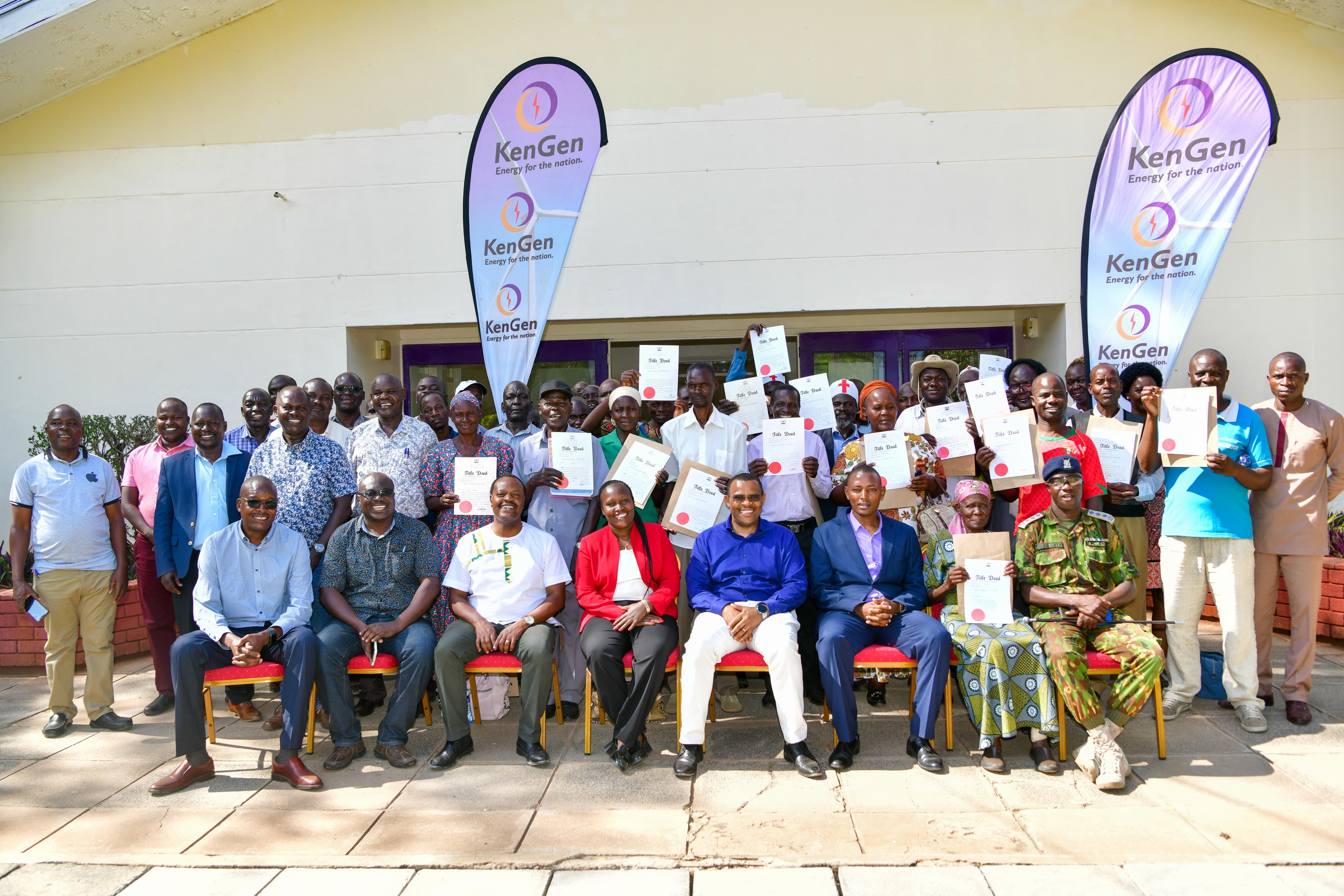 KenGen issues thirty-one (31) title deeds to community members around the Sondu Miriu hydo-power plant. #KenGenCares
 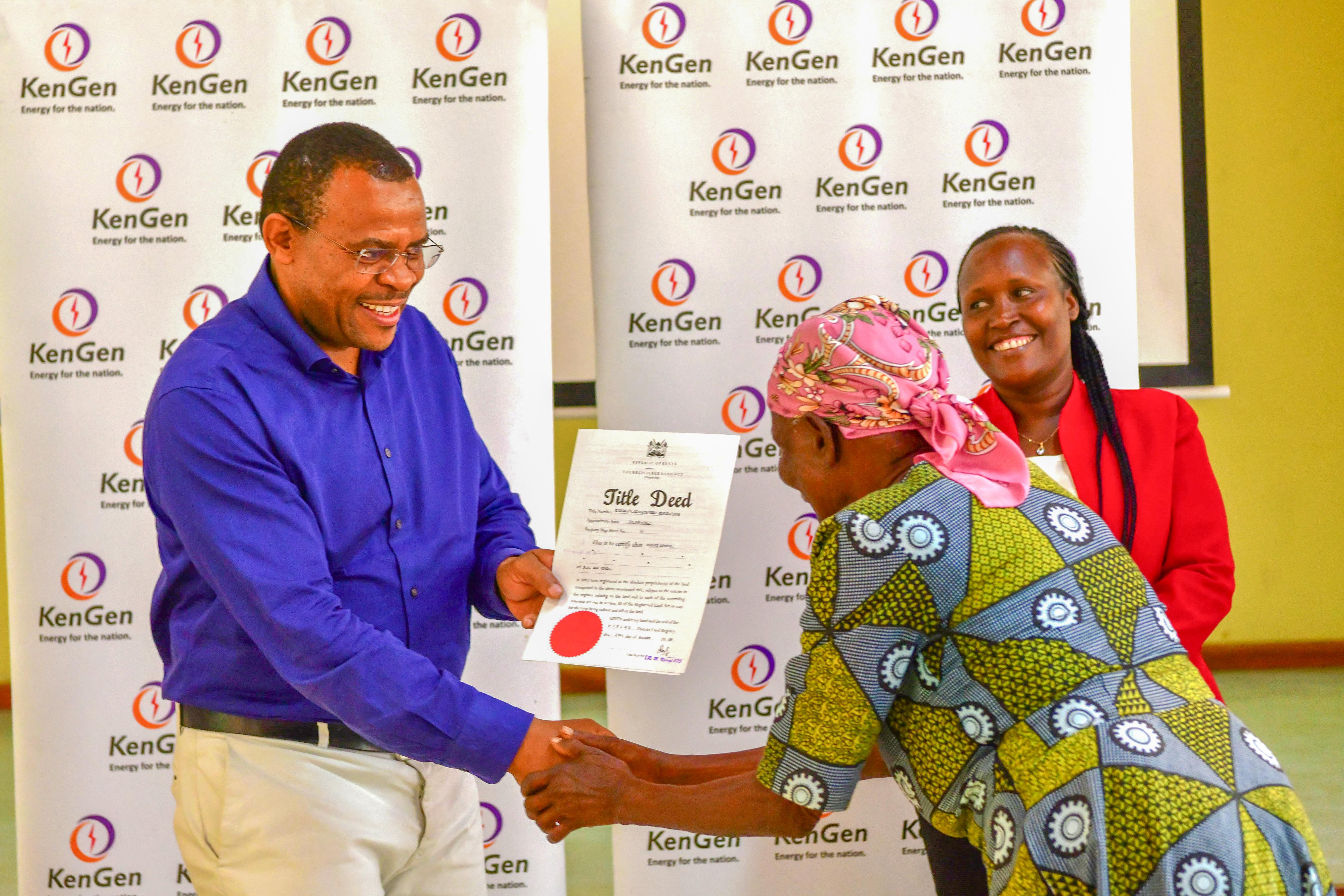 KenGen Managing Director and CEO, Peter Njenga, flanked by KenGen Board Member Josephine Koisaba (R) issuing a title deed to a community member at Sondu Miriu power station. #KenGenCares
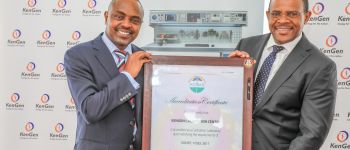
 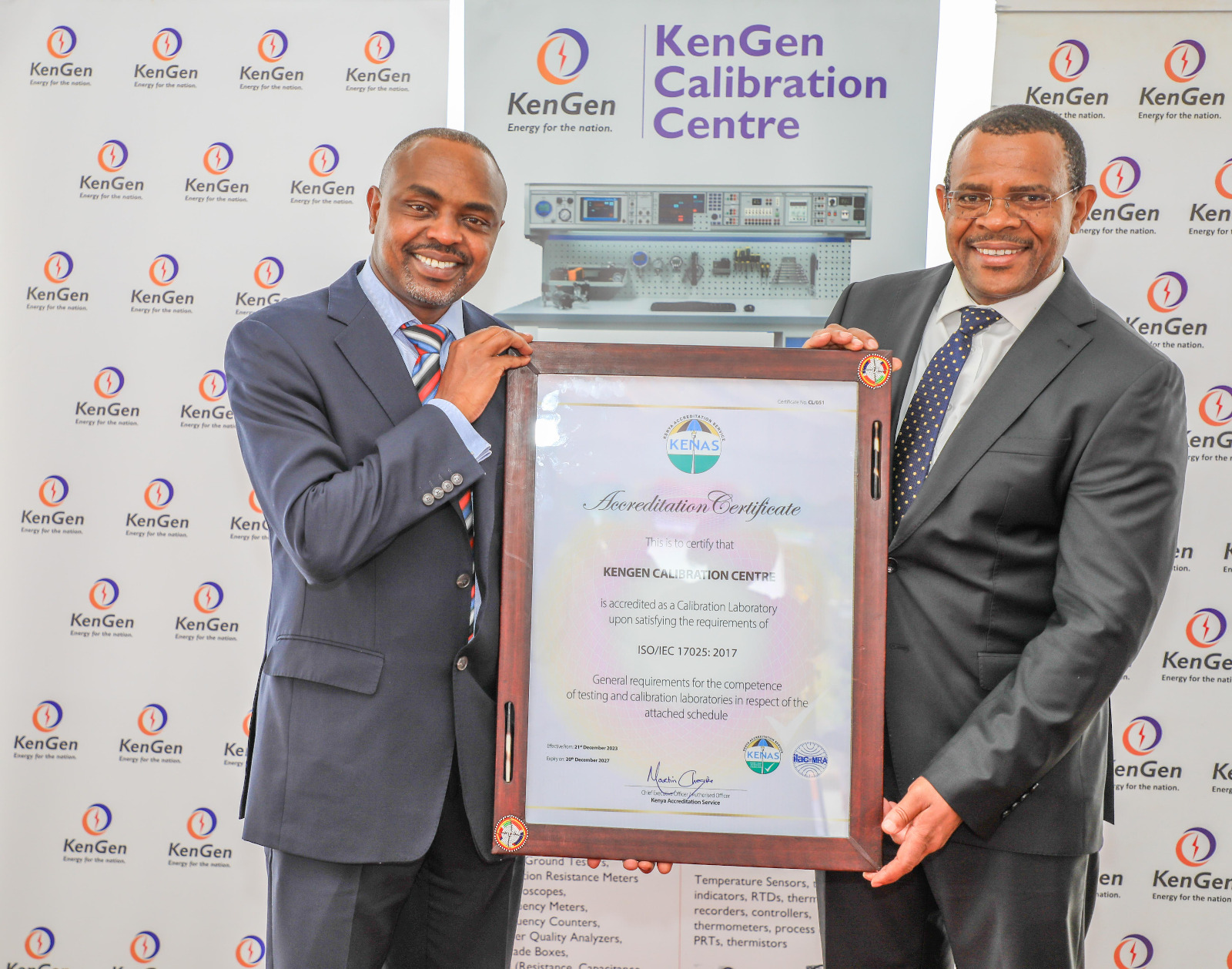 KenGen Managing Director and CEO Eng. Peter Njenga (Right) receiving ISO/IEC17025 Accreditation certificate from KENAS CEO Martin Chesire for KenGen calibration centre at KenGen Tana Power Station .
 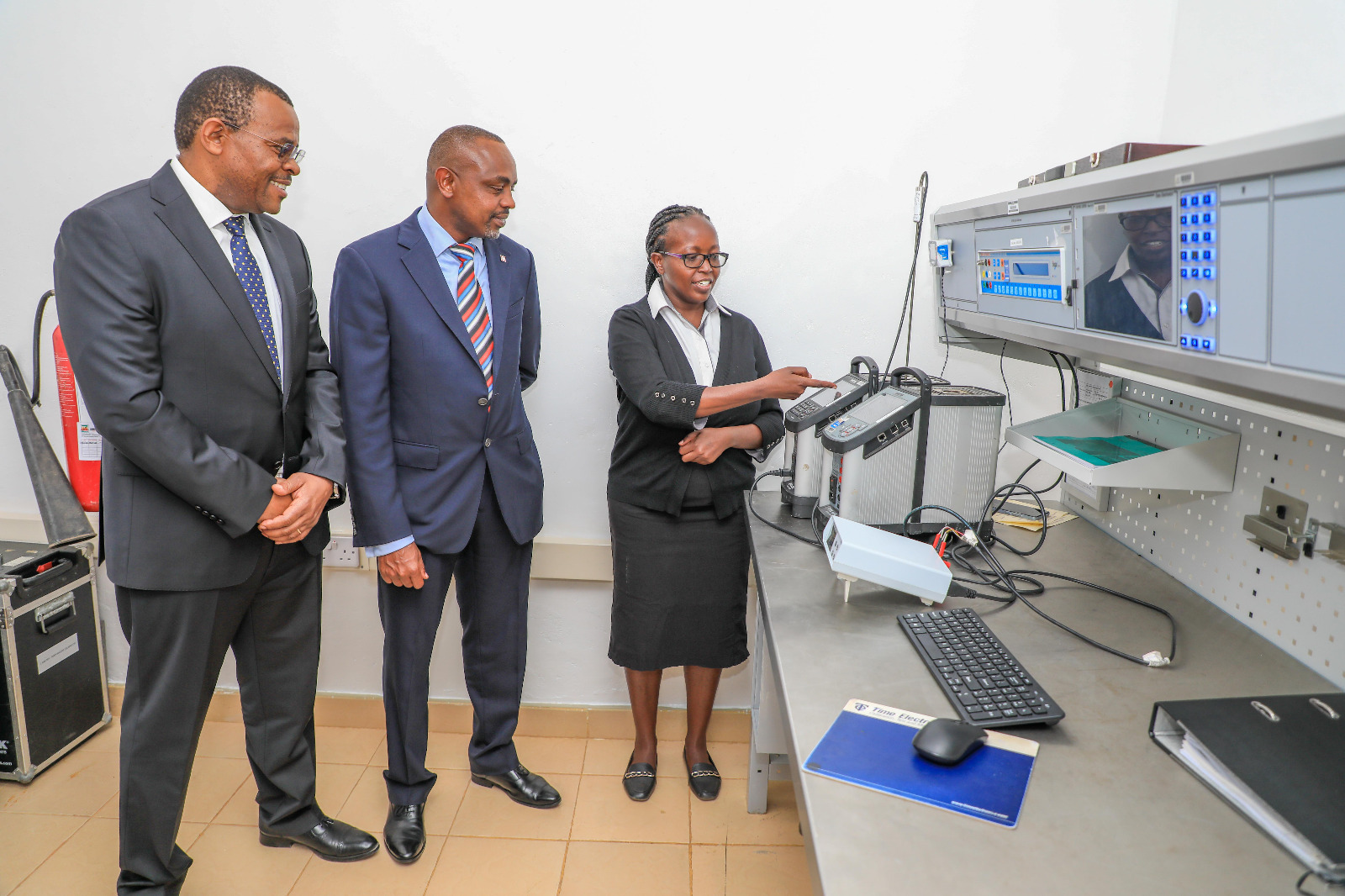 KenGen Engineer Irene Wanjohi explaining how the calibration and testing machines works in the lab to KenGen Managing Director and CEO Eng. Peter Njenga (extreme left) and KENAS CEO Mr. Martin Chesire at KenGen calibration centre at Tana Power Station.
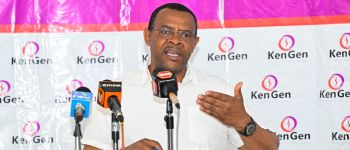
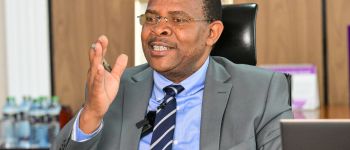
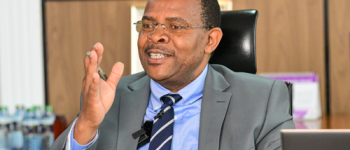
 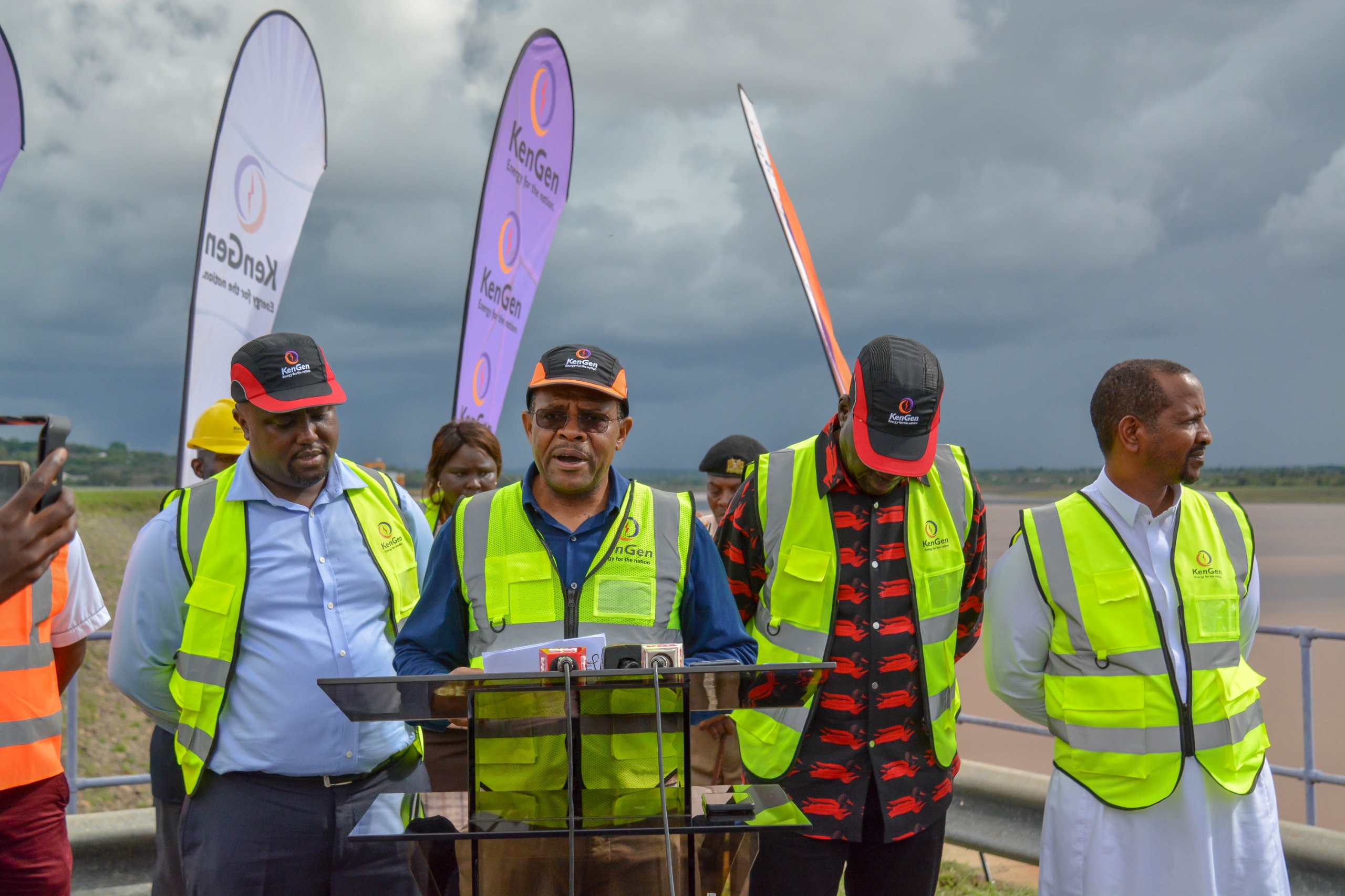 KenGen MD and CEO, Eng. Peter Njenga, addressing the media during an inspection tour of Seven-Forks dams water levels during his visit to the #7Forks cascade to monitor the performance of our hydropower dams against the backdrop of the ongoing rains.
 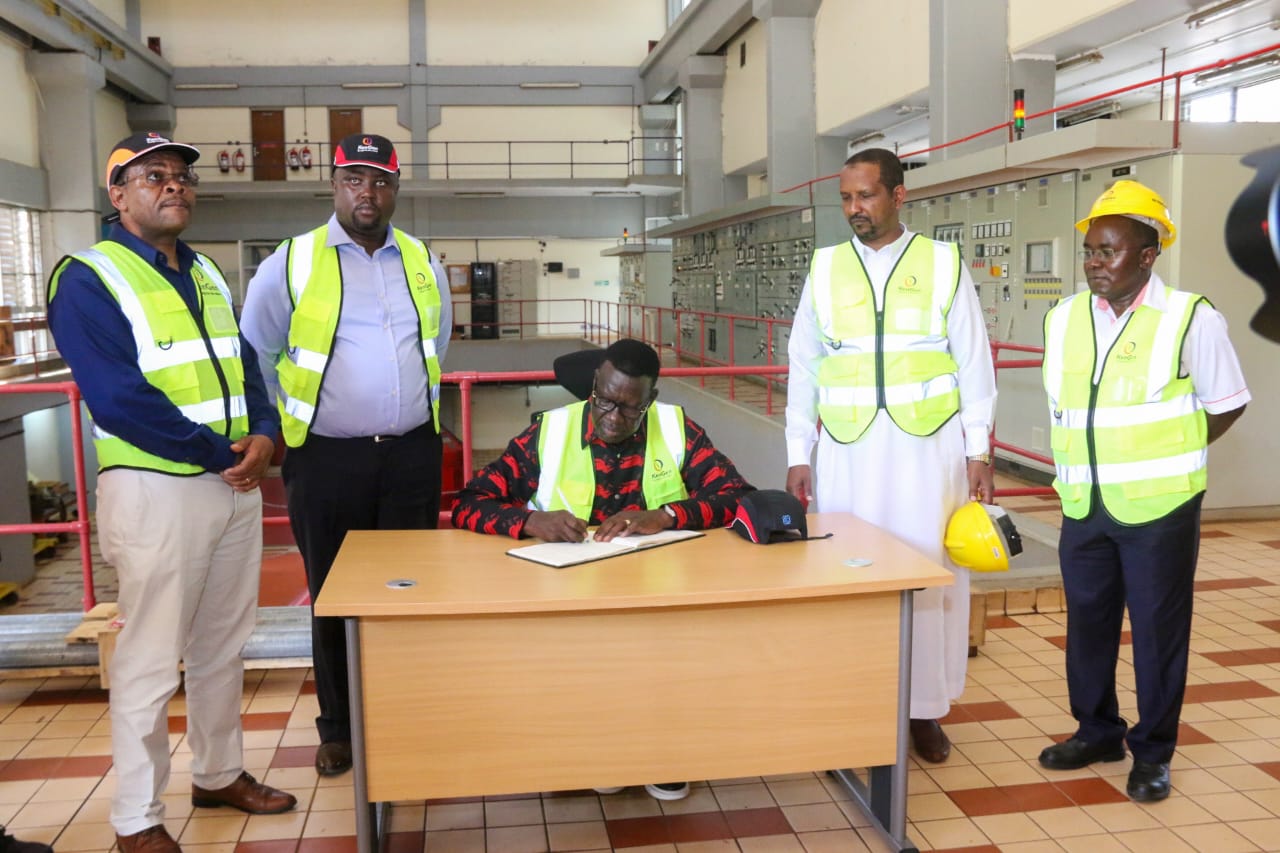 The Ministry of Energy and Petroleum Cabinet Secretary, Davis Chirchir, signs the visitors’ book during his visit to KenGen’s #7Forks cascade where he to monitored the performance of our hydropower dams against the backdrop of the ongoing rains.
 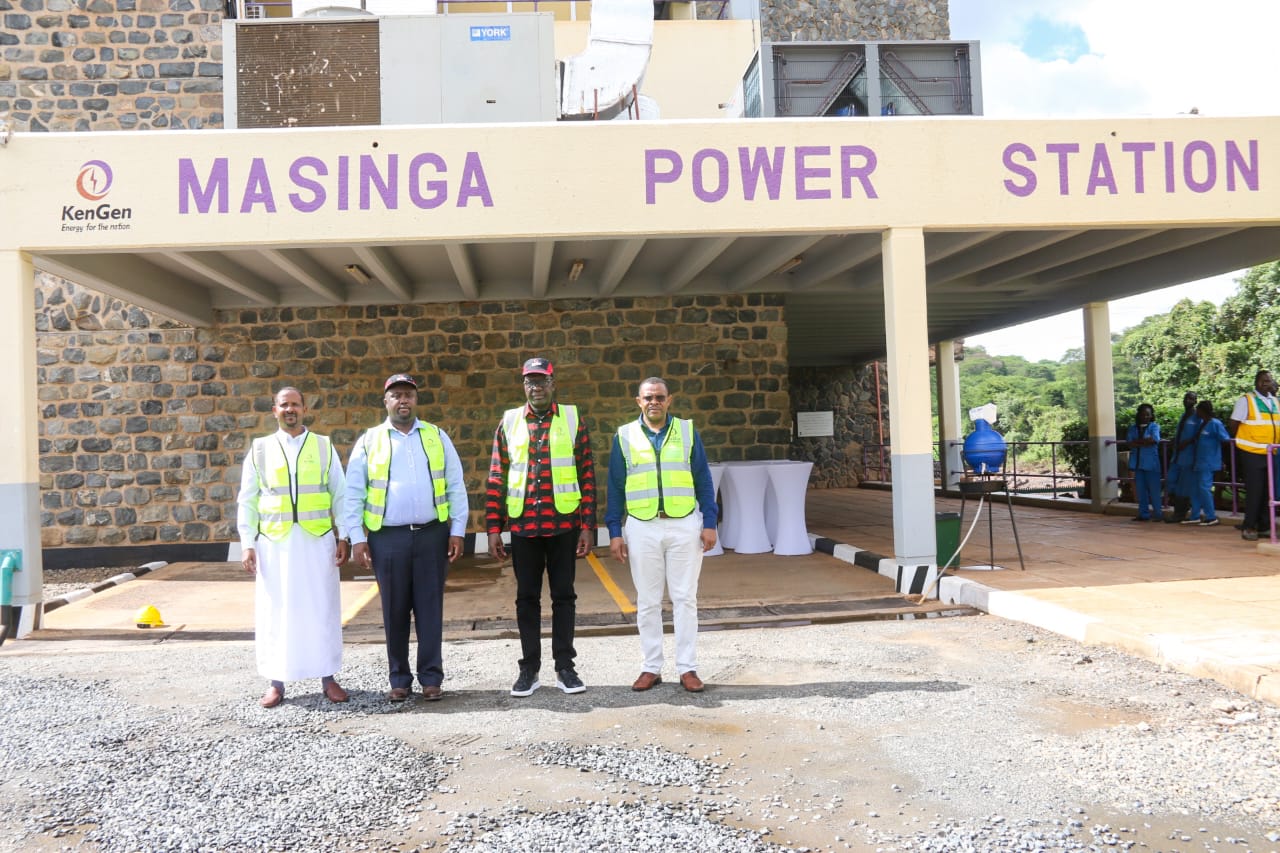 (From Right to Left) KenGen MD and CEO, Eng. Peter Njenga, the Ministry of Energy and Petroleum Cabinet Secretary, Davis Chirchir, the State Department for Energy Principal Secretary, Alex Wachira, and Garissa Township MP, Dekow Barrow Mohamed.
 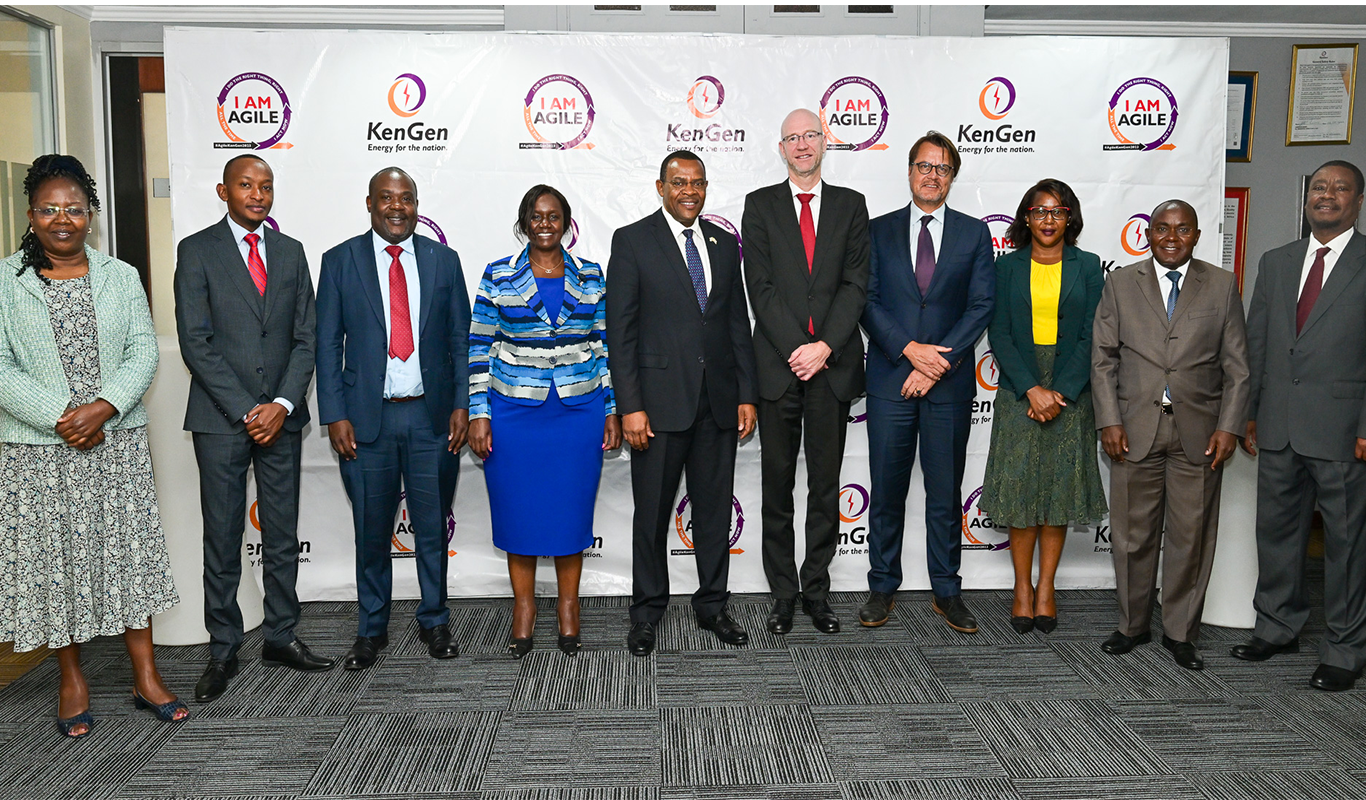 KenGen MD and CEO, Eng. Peter Njenga, hosts a delegation from the European Investment Bank (EIB) at his Stima Plaza office.
 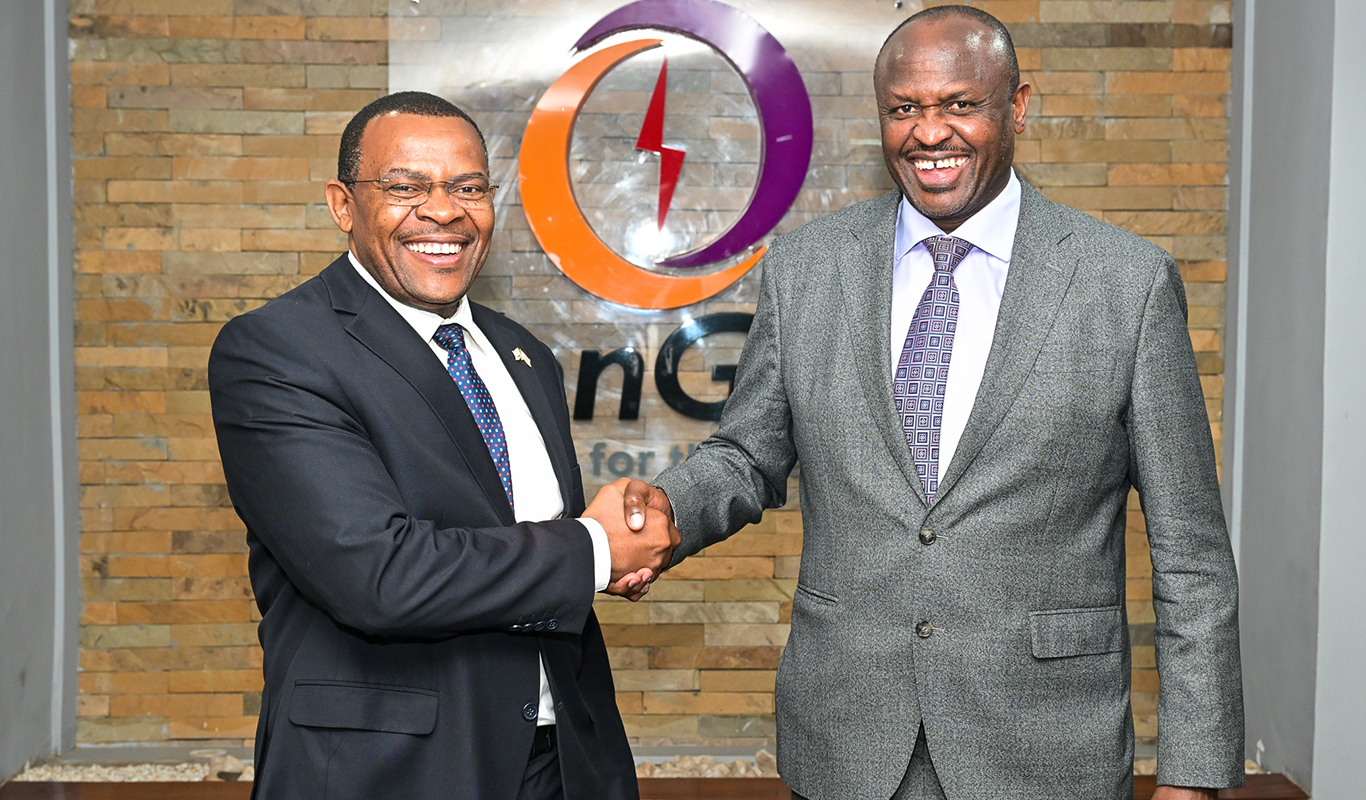 KenGen MD and CEO, Eng. Peter Njenga, share a light moment with the Kenya Electrical Traders & Allied Workers Union (KETAWU) Secretary General, Ernest Nadome during his visit to KenGen Stima Plaza offices.
 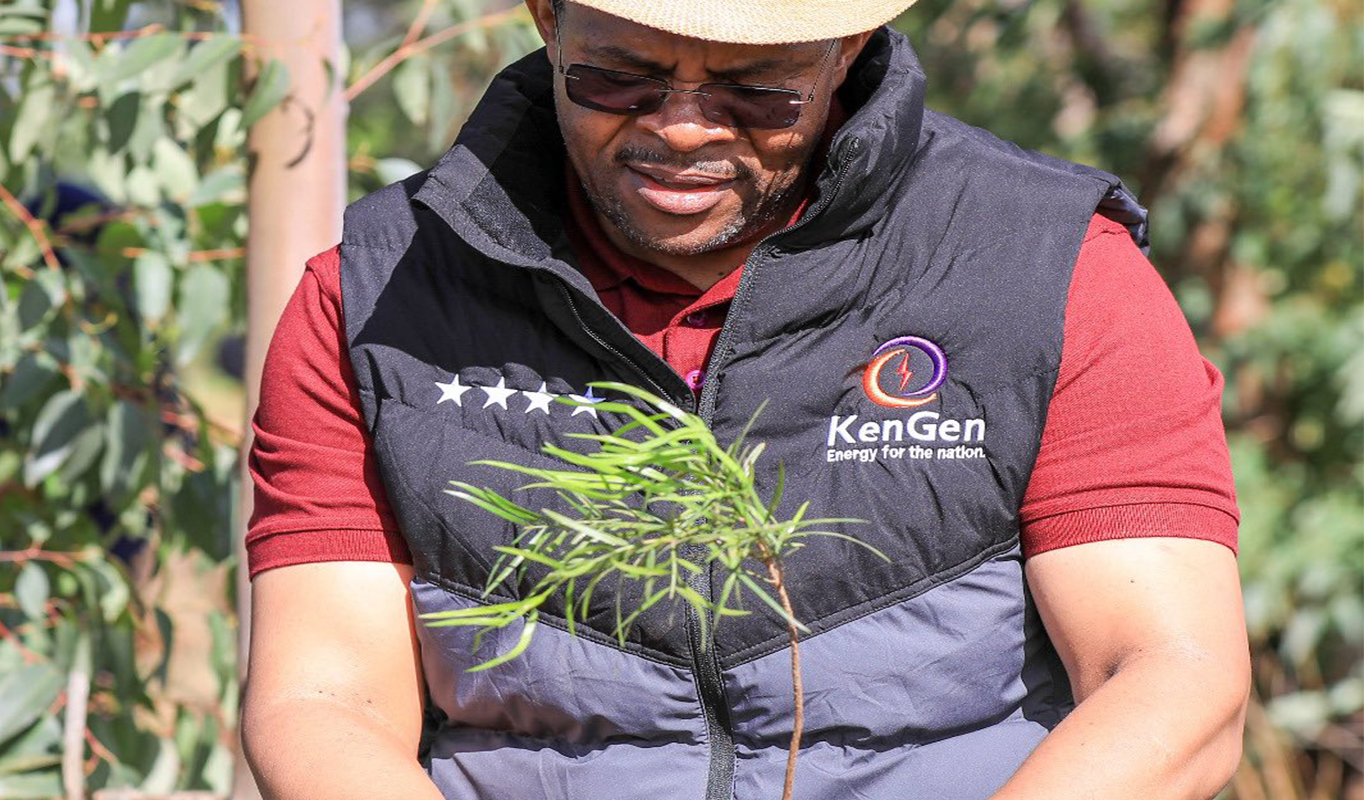 KenGen MD and CEO, Eng. Peter Njenga, prepares a seedling for planting during the National Tree Growing event at Ontulili Forest, in Meru County on 13th November 2023
 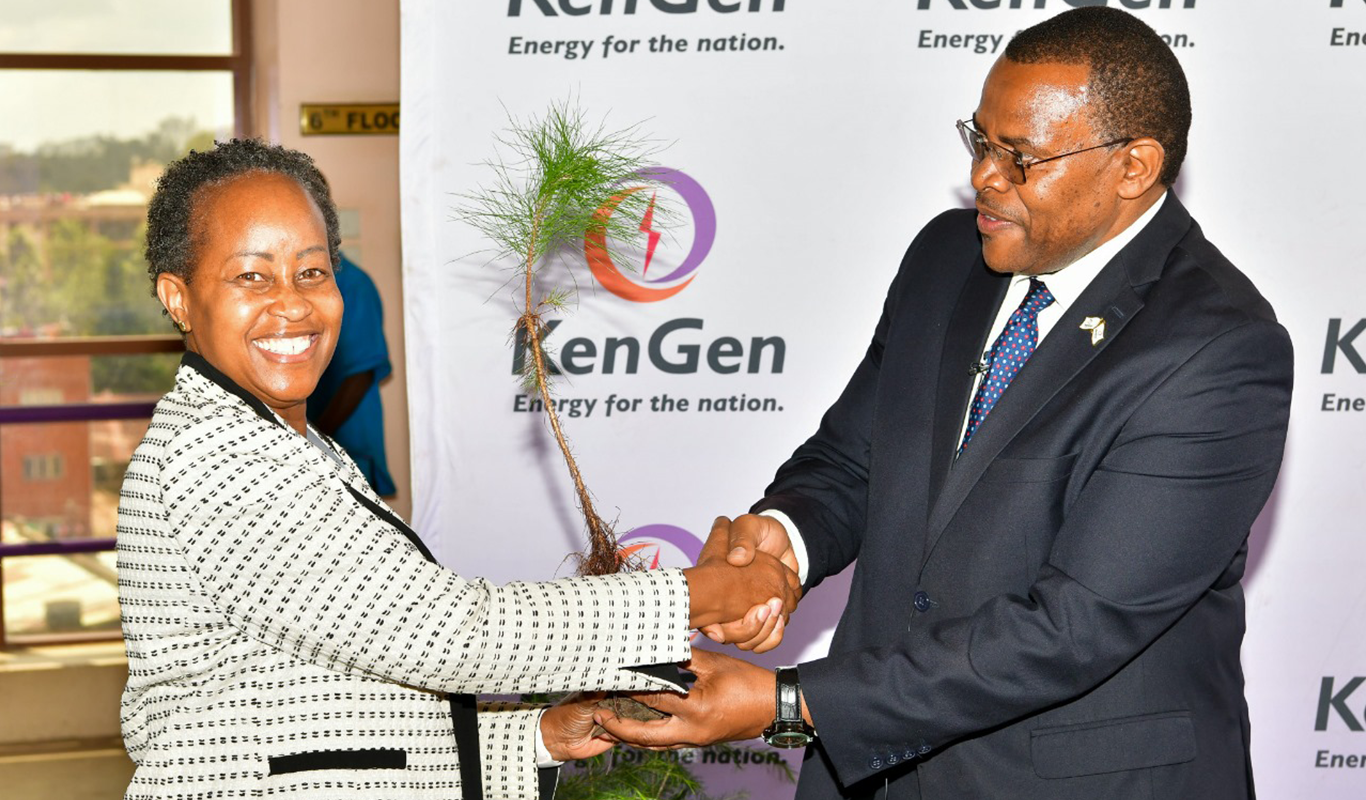 KenGen MD and CEO, Eng. Peter Njenga hands over a tree seedling to an employee during the launch of Phase III of the “KenGen Employees Tree Growing Challenge” campaign, at Stima Plaza. #JazaMiti
 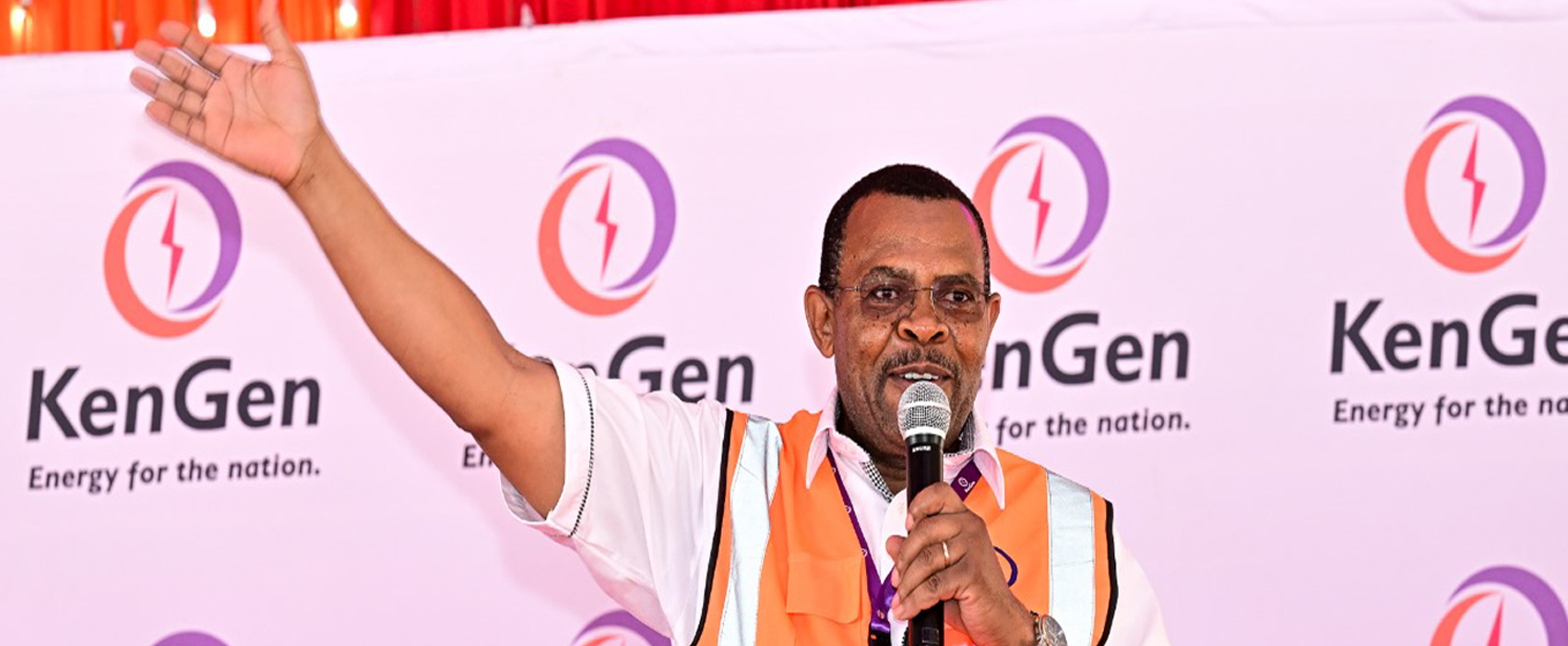 addressing KenGen shareholders during the company’s shareholder tour to western region at Sondu Power Station.
 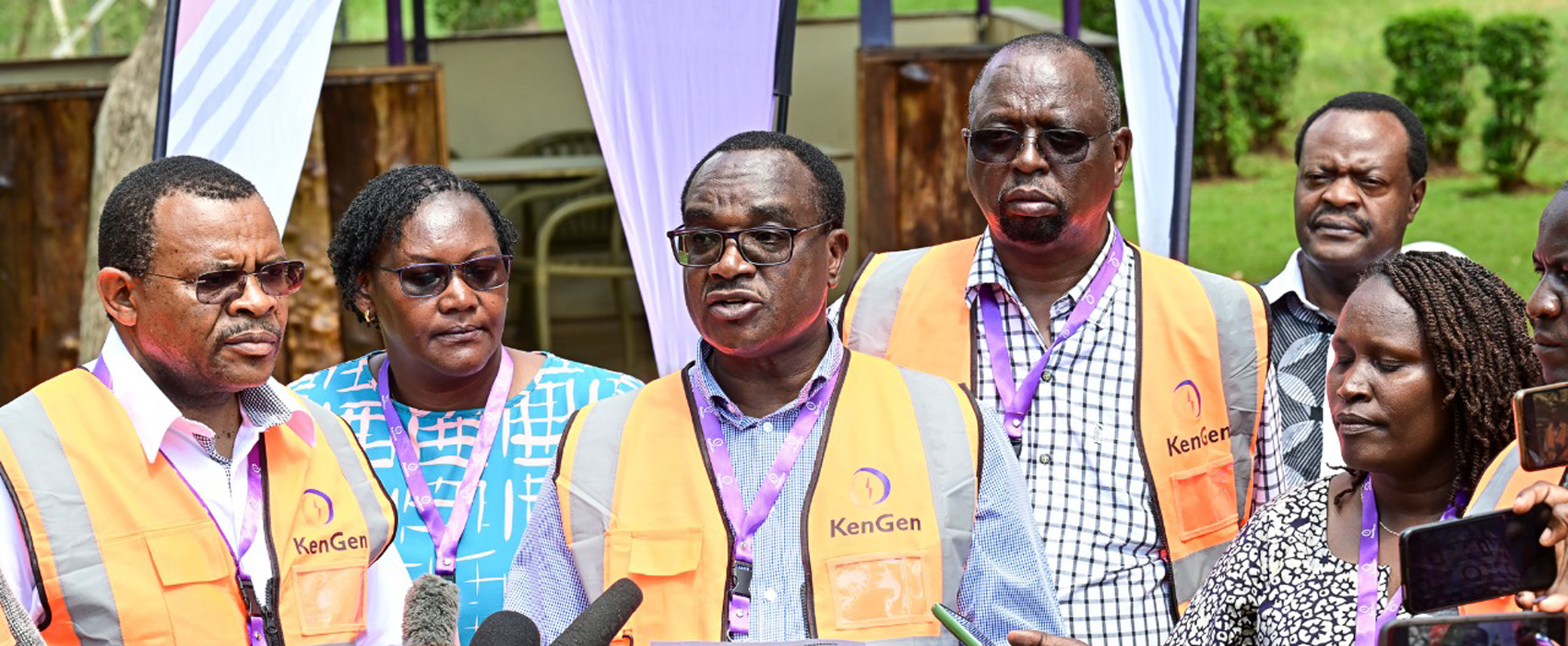 to the media following a successful shareholder tour flanked by KenGen MD and CEO Eng. Peter Njenga during the 2023 KenGen Shareholders Tour to the western region at Sondu Power Station.
 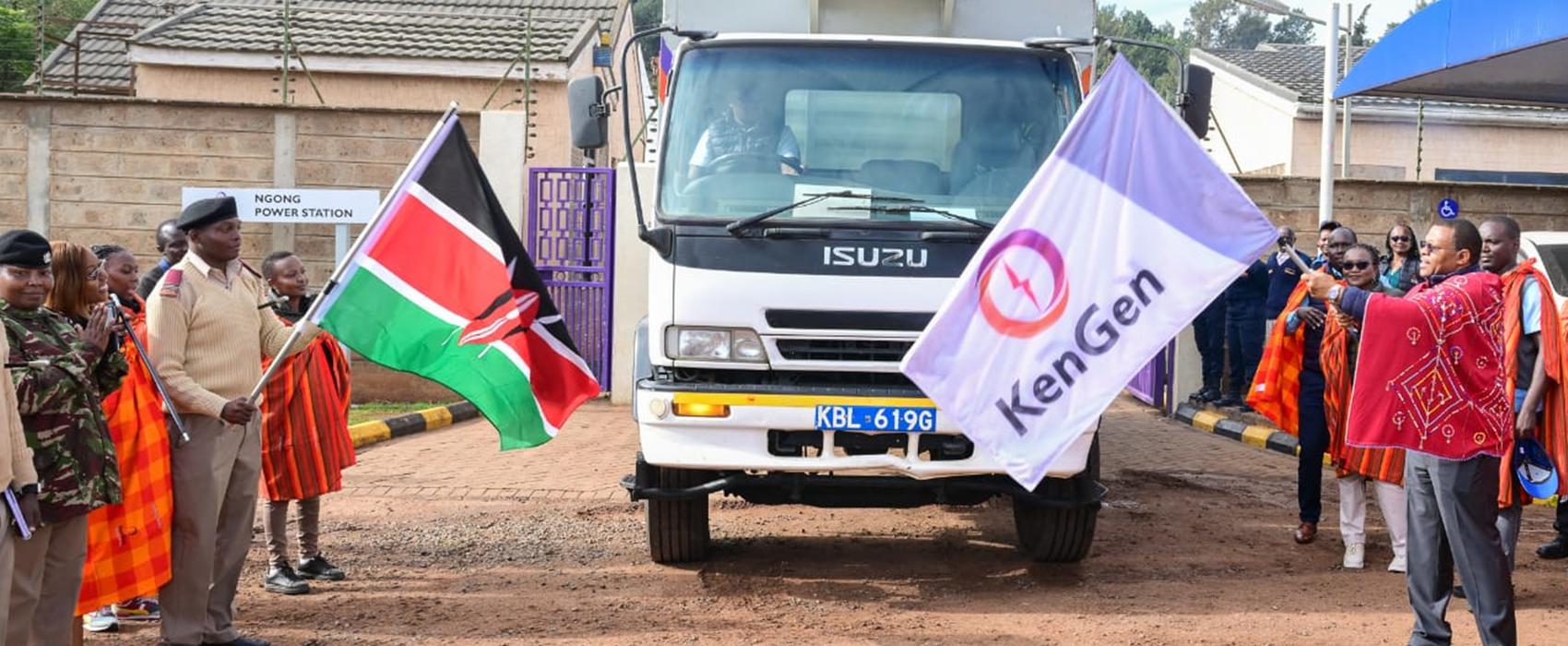 kicks off a heartwarming initiative at the KenGen Ngong Wind Power Station, delivering essential food supplies to local schools.
  Eng. Julius Odumbe (third), KenGen Power Generation Manager-Wind Farm, Lawrence Mwagodi (Extreme Right) and Ngong Assistant County Commissioner, Mure Komora, (extreme left) during the flag-off of KenGen food drive at Ngong Power Station.
  during the KenGen food distribution. The food distribution, which began in November 2022, focuses on schools near KenGen’s power stations, aiding the government's school feeding program.
 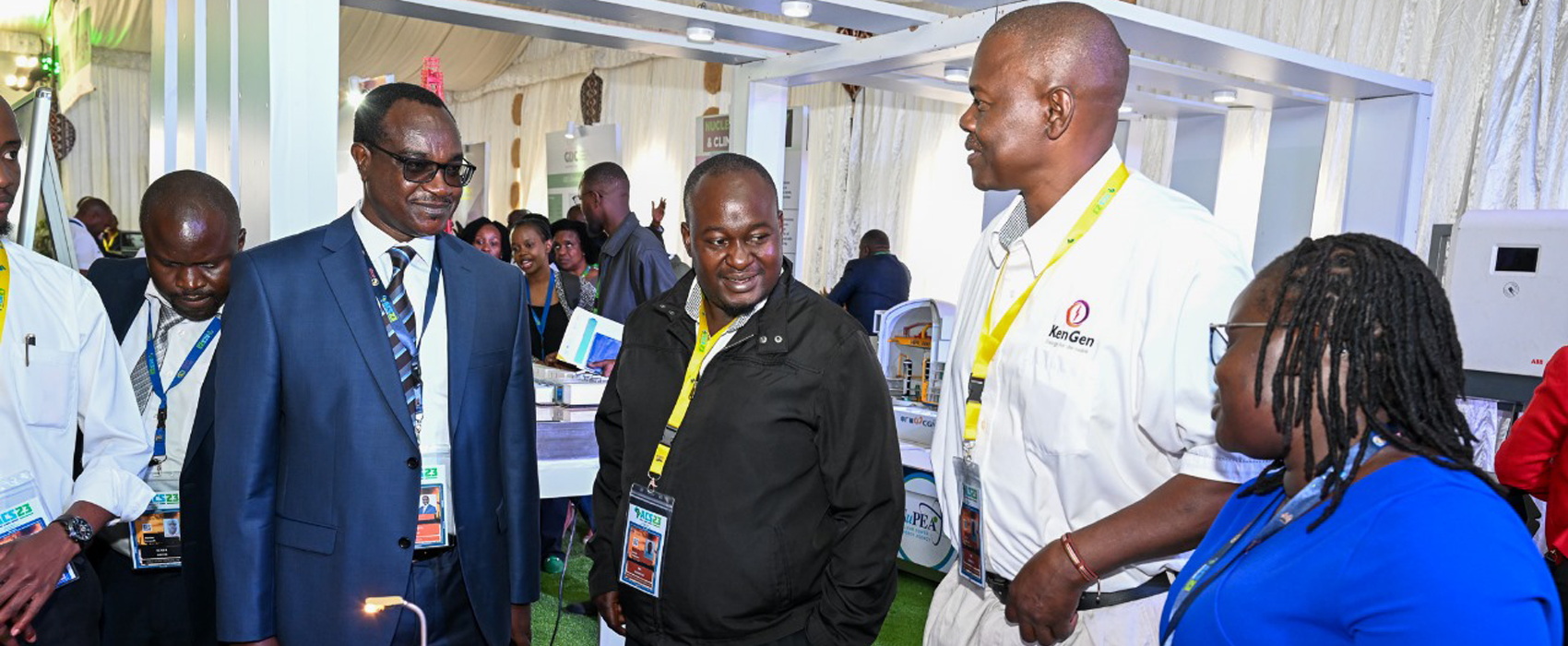 engage with KenGen employees at the Africa Climate Summit (ACS) 2023 exhibition booth.
 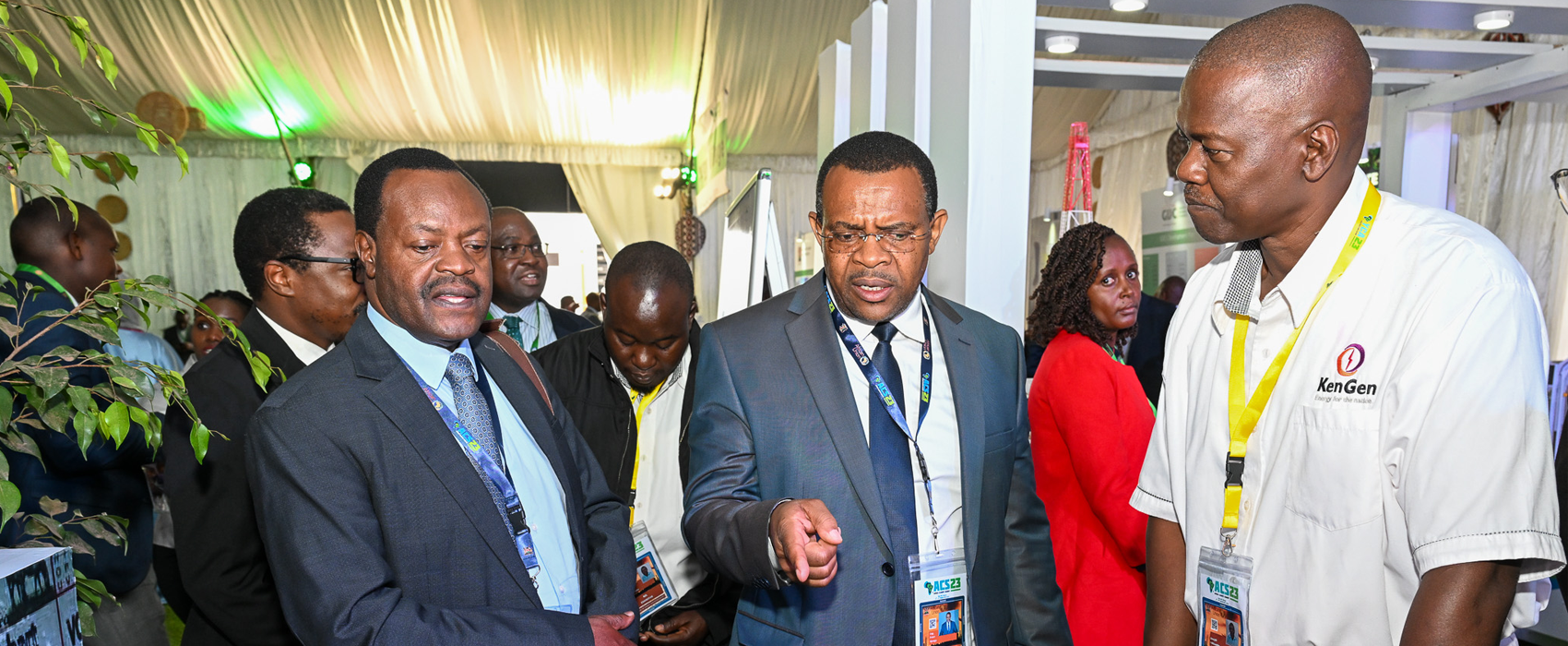 Peter Njenga (Centre) flanked by General Manager, Operations, Eng. Julius Odumbe (Left) discussing how the KenGen geothermal model works during the Africa Climate Summit (ACS) 2023.
 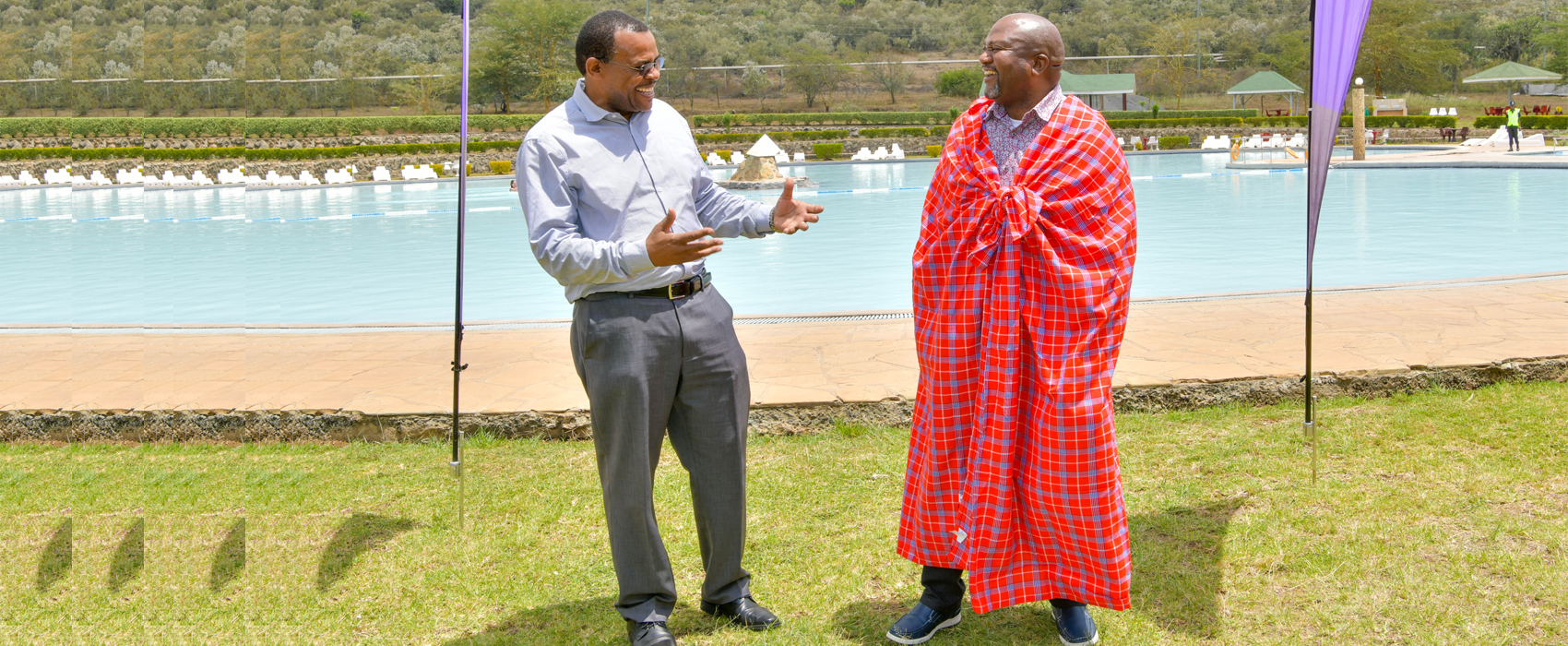 chat with Malawi Minister for Energy Ibrahim Matola.
 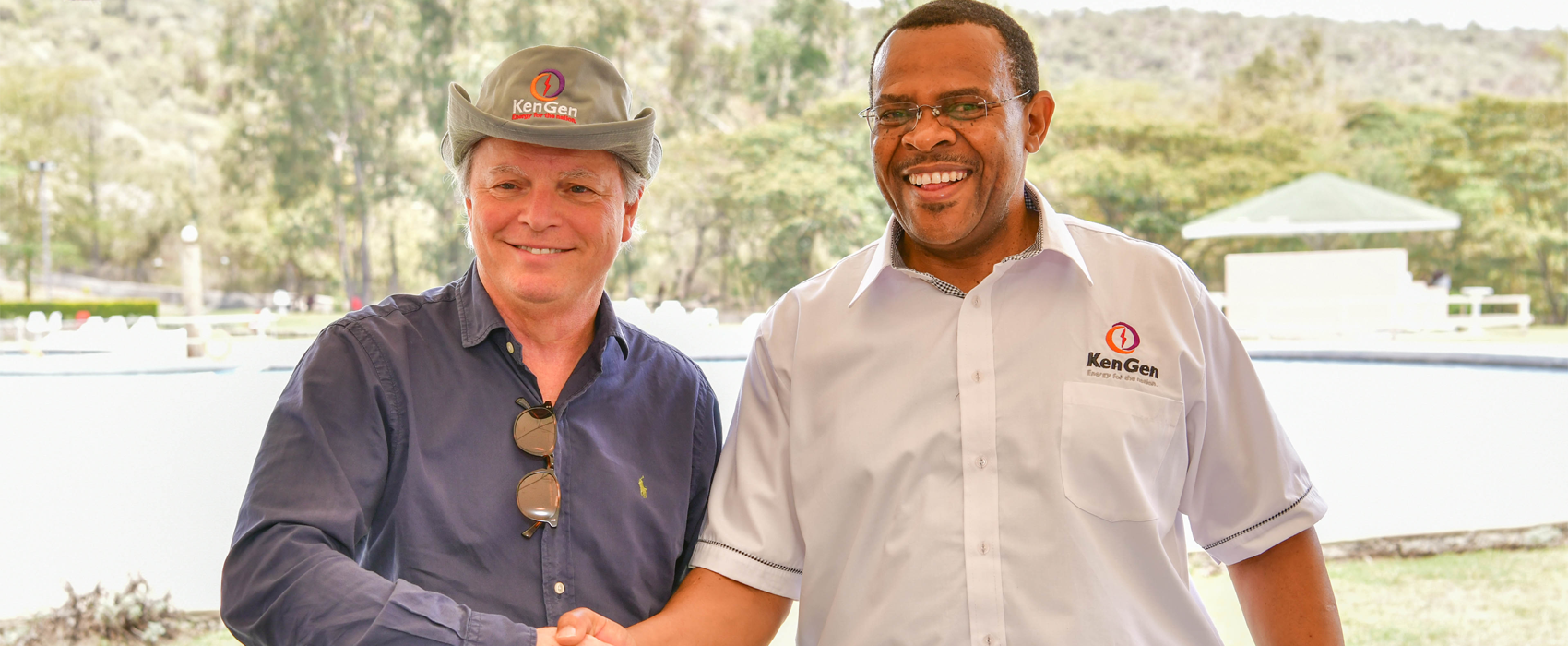 shares a light moment with World Bank Senior Managing Director Axel Van Trotensburg at Olkaria Geothermal SPA
 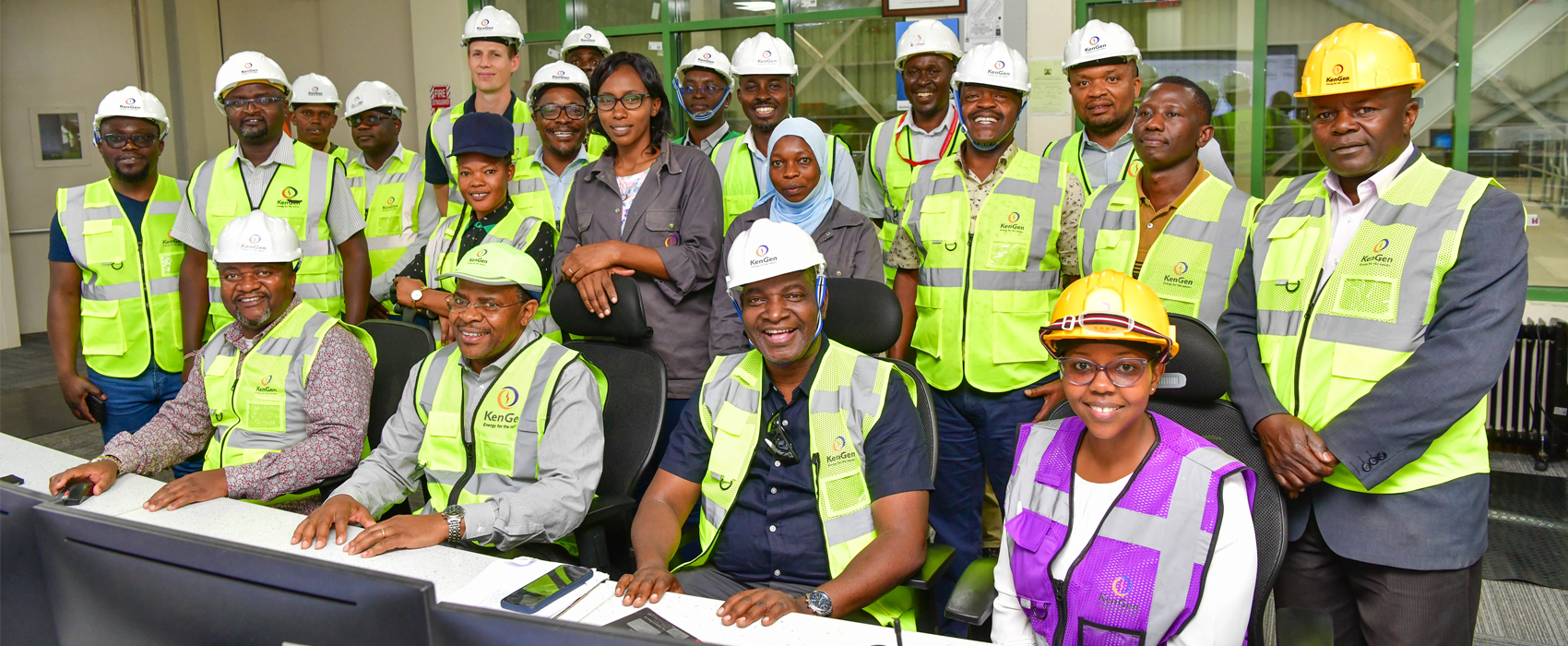 Peter Njenga and KenGen team host Malawi delegation led by Minister for Energy Ibrahim Matola.
 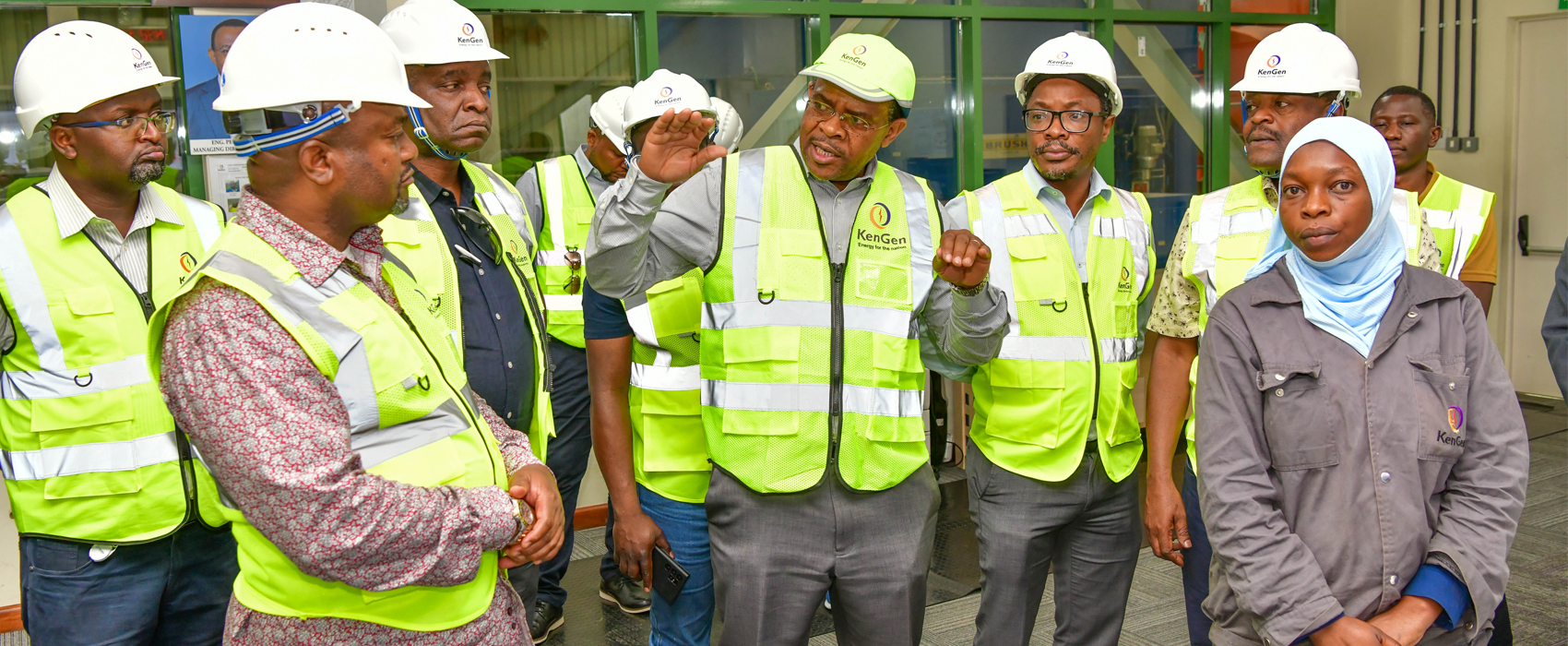 Peter Njenga eplains how the geothermal process works to Malawi Minister for Energy Ibrahim Matola.
Kenya Electricity Generating Company PLC (KenGen) is the leading electric power generating company in East Africa. KenGen was incorporated in 1954 under the Kenyan Companies Act as Kenya Power Company (KPC) with the mandate to generate electricity through the development, management and operation of power plants. The shareholders of the Company later contracted East Africa Power & Lighting Company (EAP&L) to manage KPC. In 1983, EAP&L changed to Kenya Power & Lighting Company.
 News Highlights Featured VideoOur Contacts
Head Office